

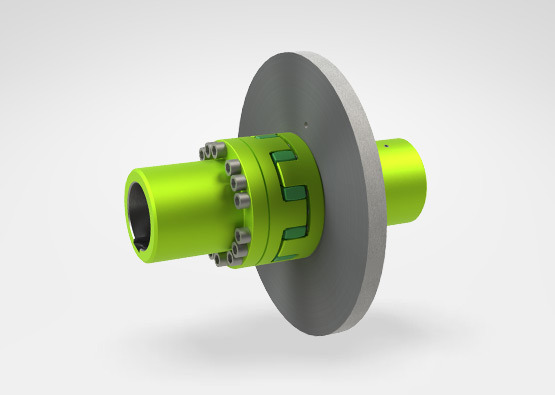
EC
The EC coupling is a torsionally flexible elastomer coupling in a double flange design and is particularly suitable for demanding applications in heavy machinery construction. Since the claw ring and flange are designed as two separate components, the coupling or elastomer element can be mounted and dismantled radially without having to move the drive or driven machine.
- Torsionally flexible
- Vibration damping
- Replacement of the elastic ring without moving the coupled machines
- Fail-safe
- Electrically insulating
- Low maintenance
- Tkn 560 Nm to 35.000 Nm
- Nmax up to 8.000 1/min
- -30°C to 90°C
- Hubs finish bored with keyway acc. to DIN 6885
- Hubs pilot bored
- Coupling dynamically balanced in accordance with ISO 21940 Grade: G 2.5; G 6.3
- Hubs in special lengths
- Hubs made of special material
- Test certificate DIN EN 10204-3.1
- Available with and without brake disc
Additional PRODUCTS
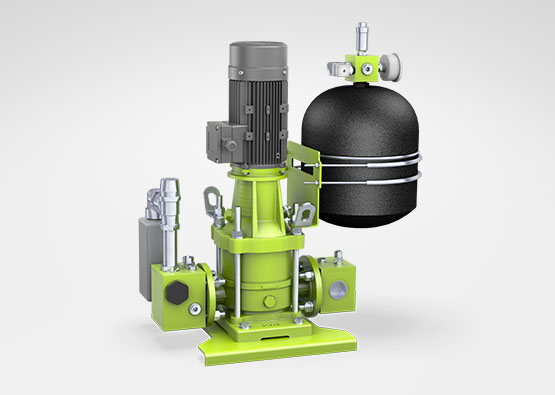
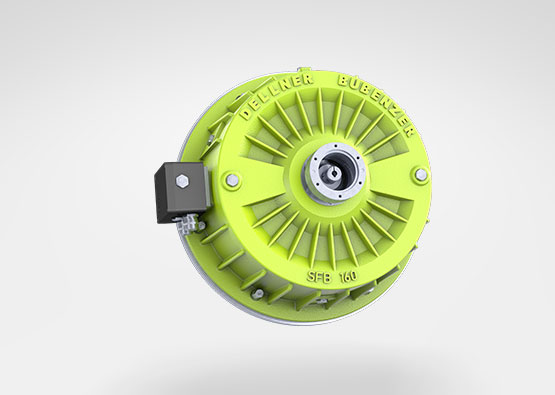
For many years a seawaterproof version of the SFB series has been used successfully on winch motors in ship building and as a safety, service or holding brake in wharf crane installations.
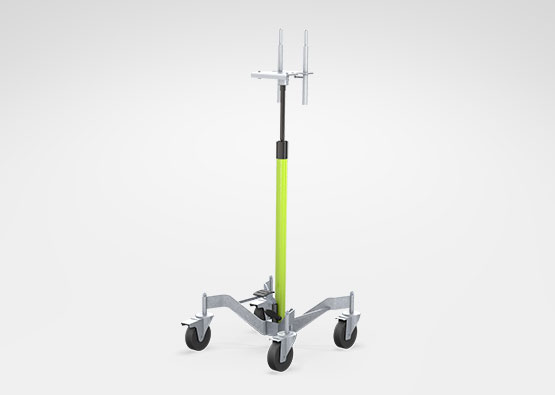
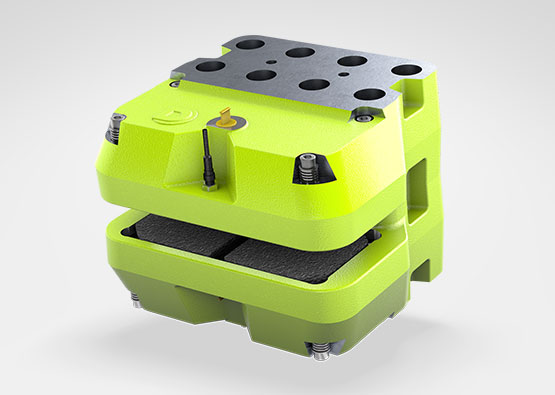
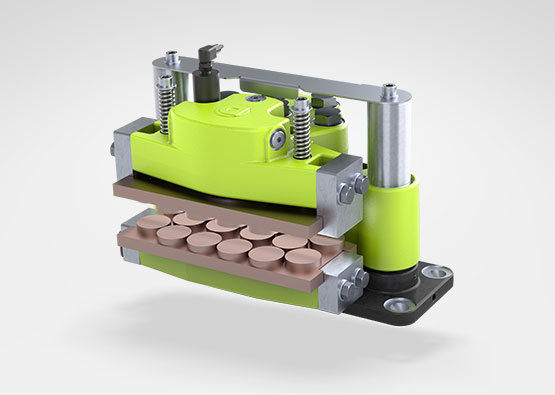
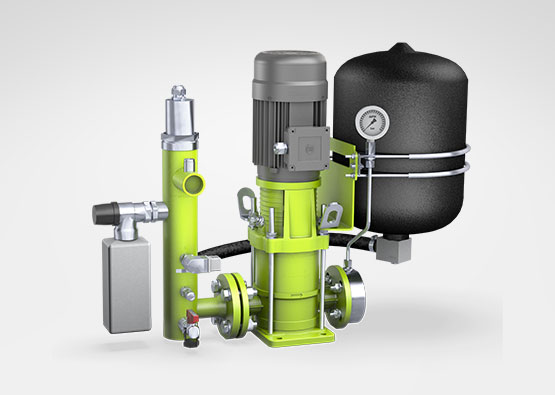
A hydraulic active rotor brake with a braking force of 44 kN that’s been specially developed for use in damp, dusty and corrosive working environments
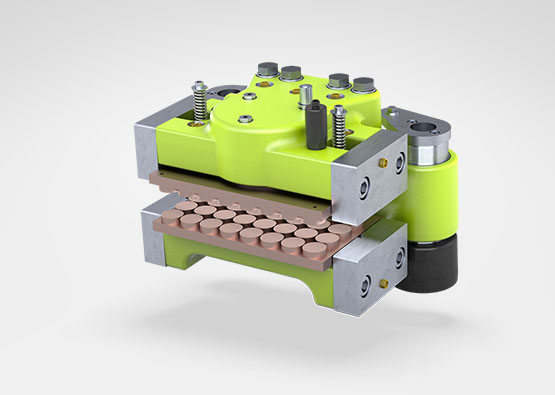
Due to its high capacity, our SFRA brake is mainly used as a rotor brake in wind turbines. It is particularly suitable for applications with a high duty cycle.
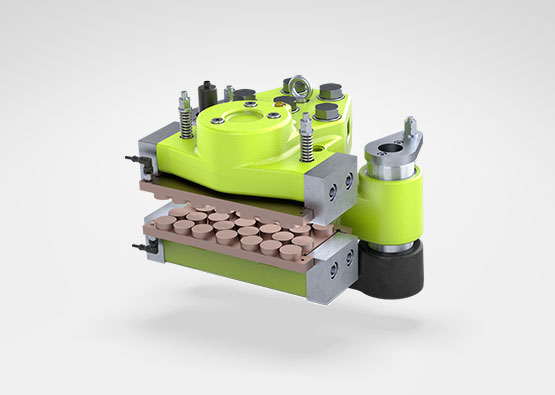
Due to its high capacity, our SFRA brake is mainly used as a rotor brake in wind turbines. It is particularly suitable for applications with a high duty cycle.
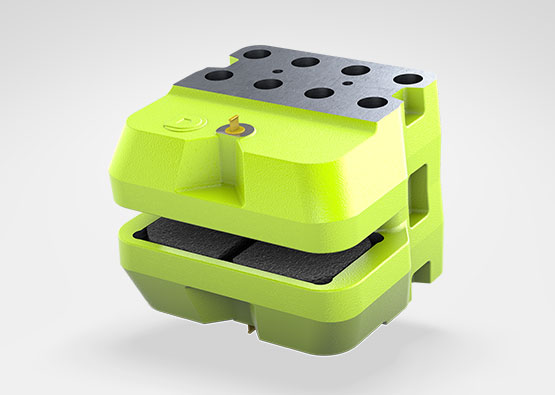
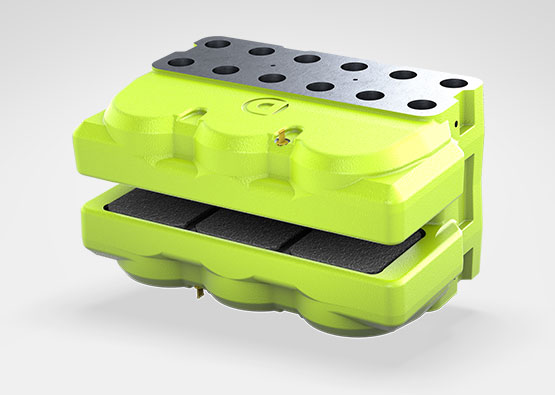
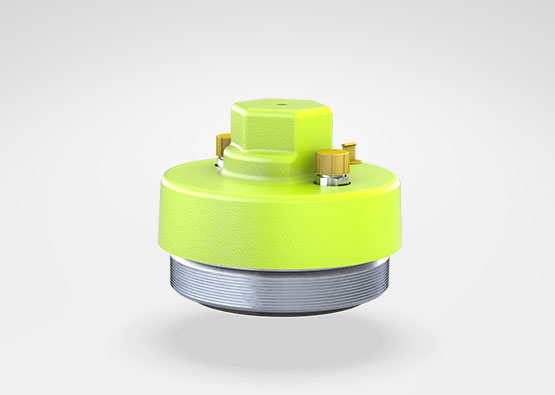
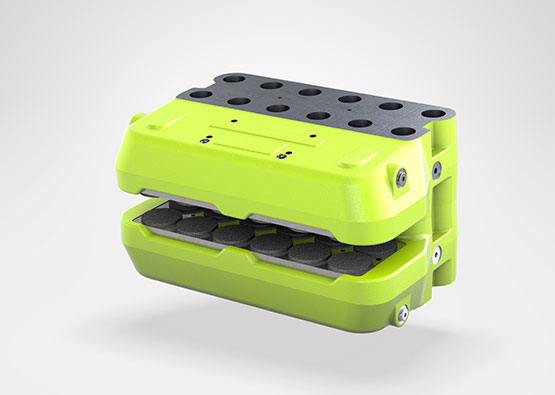
A hydraulic active yaw brake with GL Type Certification and braking force of 620 kN.
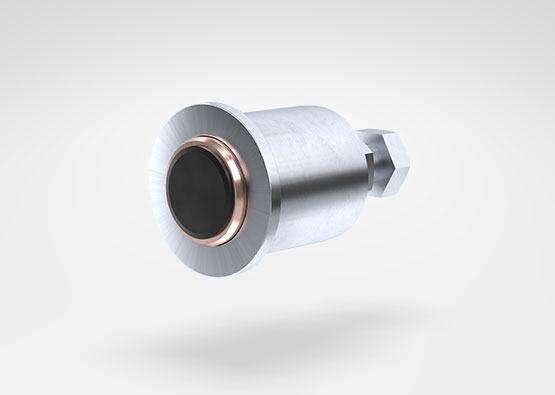
A passive yaw sliding bearing with a robust yet simple design that guarantees optimum performance throughout the life of the turbine.
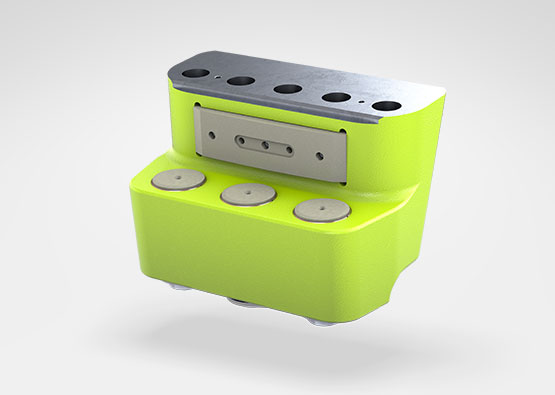
A passive yaw sliding bearing with a robust yet simple design that guarantees optimum performance throughout the life of the turbine.
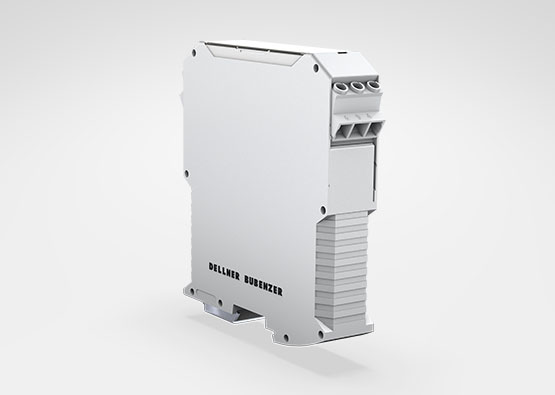
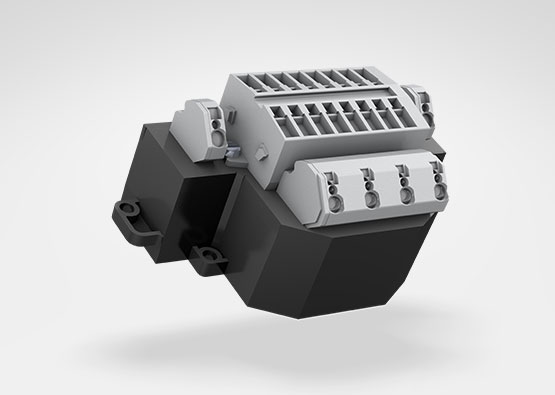
Half Wave & Full Wave rectifiers for Din rail or panel mounted rectification.
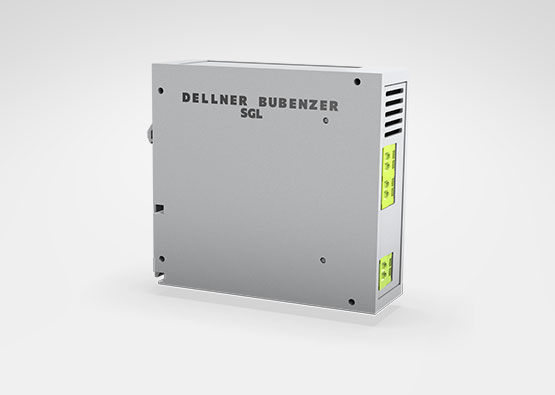
Din rail mounted unit switches from bridge rectification to half-wave rectification